SAFFRON HOUSE— home

About

The house, the chef, the craft.

Saffron House began with a simple question. What would the royal kitchens of India cook if they opened tonight, for forty guests, in Chennai?

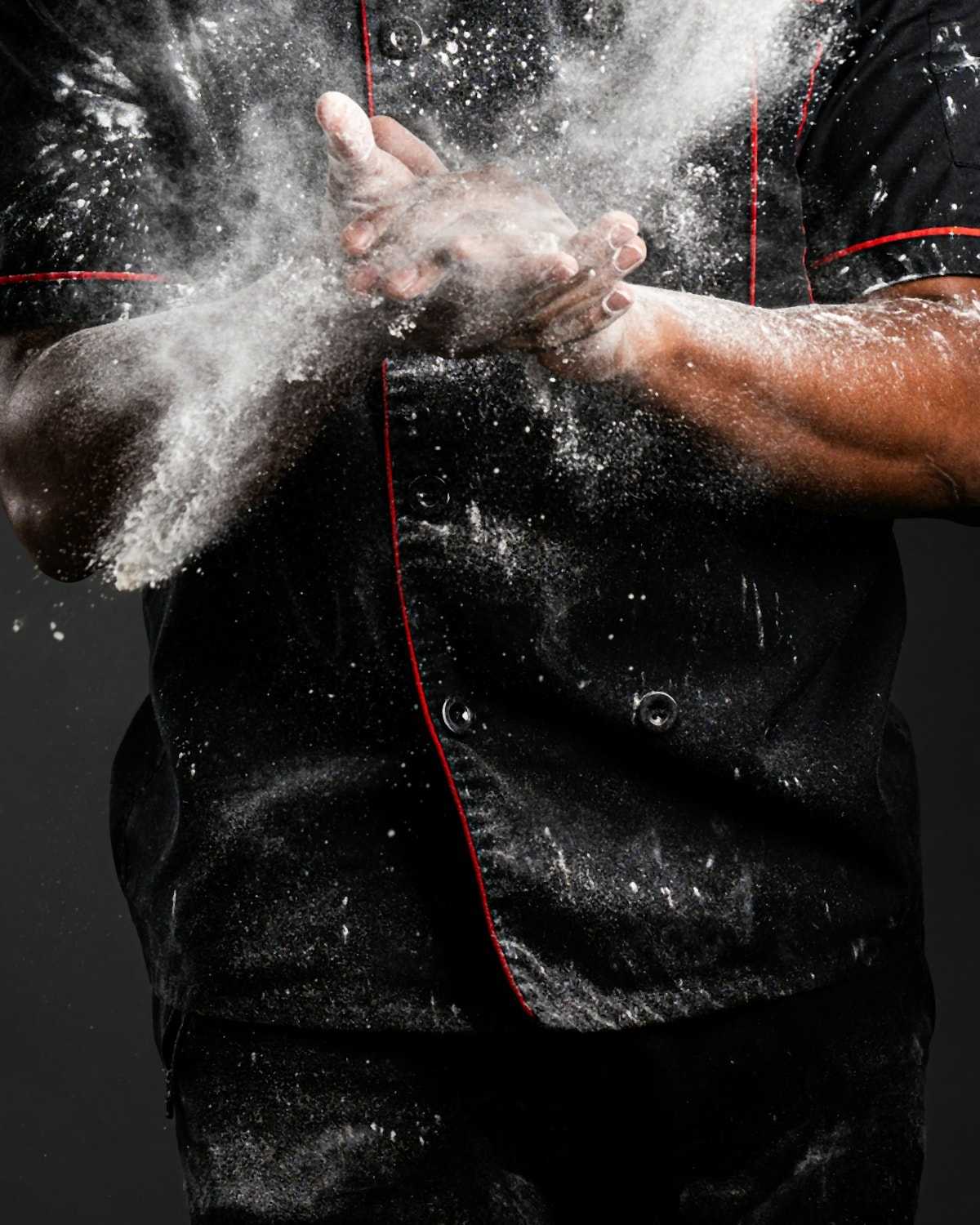
A chef in a dark jacket clapping a cloud of flour from their hands

The chef

Chef Arjun Rao

Arjun Rao grew up between his grandmother’s kitchen in Karaikudi and his father’s postings in Lucknow and Srinagar. He trained in hotel kitchens in Delhi and Mumbai before spending six years cooking with home cooks, khansamas and fishing families across the country.

Saffron House is the table he always wanted to set. Rigorous about origin, quiet about technique, generous at the pass.

“I am not trying to improve these recipes. I am trying to deserve them.”

Kitchen philosophy

How we cook.

  • Origin first

    Every dish starts with where it came from. We cook regional recipes in the region’s own way, then edit with care.

  • Ground each day

    Whole spices arrive weekly and are roasted and ground every afternoon. Nothing comes from a packet.

  • Fire and time

    Charcoal, wood and sealed pots. Slow methods give depth that shortcuts cannot.

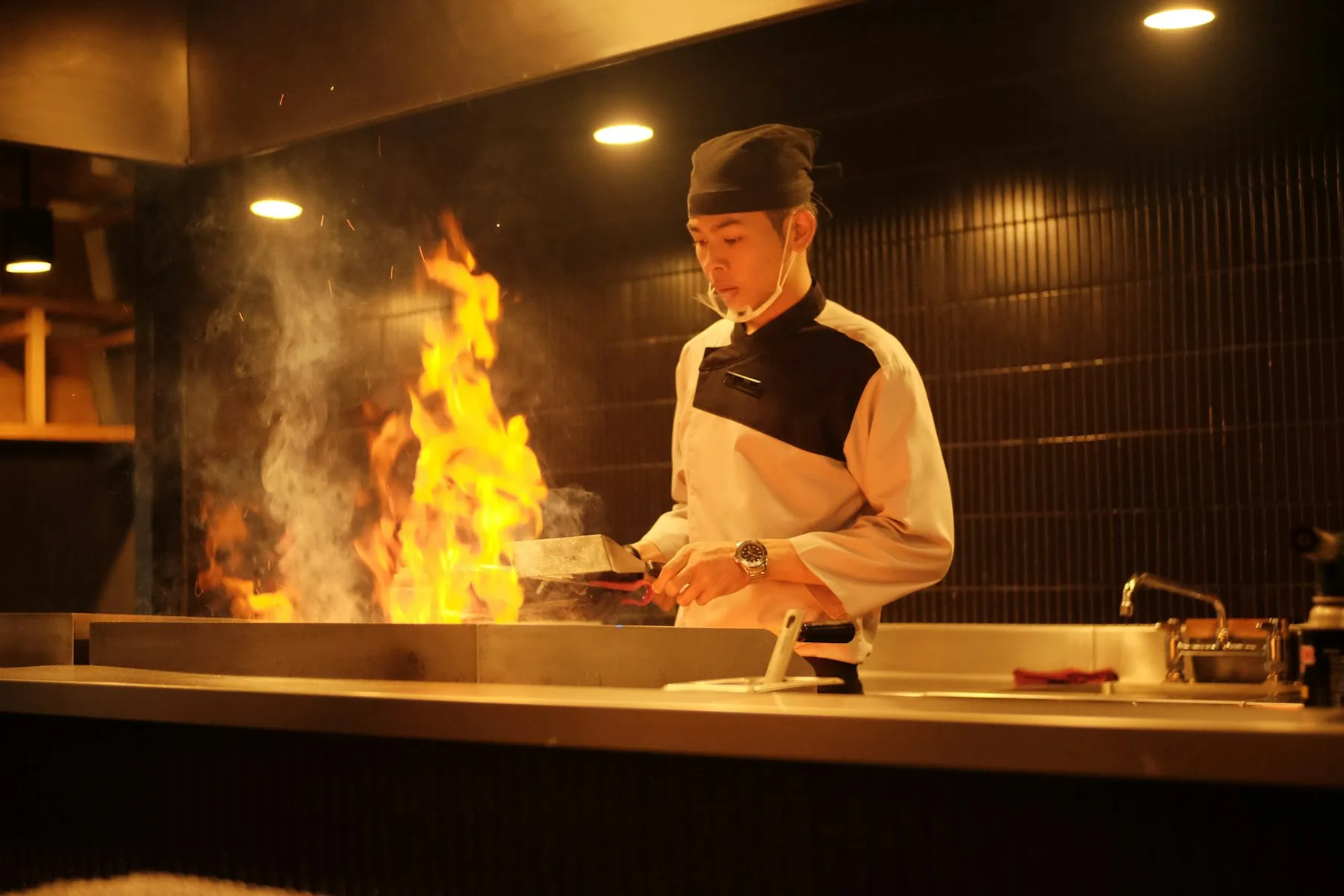
A chef working over a tall flame at the grill in a warmly lit kitchen

The four regions

Where the recipes come from.

Kashmir

Saffron fields and slow fires.

In the valley, the wazwan is a feast measured in hours, not courses. Meat is pounded by hand, spices are used for colour and fragrance, and heat is always gentle. We take our saffron from a single family in Pampore and our morels from foragers who walk the forest floor each spring.

Signature dish
Kashmiri Rogan Josh
Spice notes
Kashmiri chilli for colour, fennel and dry ginger for warmth, saffron from Pampore.
Awadh

The art of dum.

The kitchens of Lucknow perfected patience. Pots sealed with dough, embers above and below, food left to cook in its own steam. It is a cuisine of softness and perfume. Our galouti follows a method taught to Chef Rao by a retired khansama, minced twice and rested overnight.

Signature dish
Galouti Kebab
Spice notes
Mace, green cardamom, rose and kewra. Fragrant rather than fiery.

Chettinad

Fire, pepper and patience.

The merchant mansions of Karaikudi gave India one of its most aromatic cuisines. Spices are roasted whole and ground fresh on stone, every day. Nothing is pre-mixed. It is the region closest to our kitchen, and the one our Chennai guests hold us most accountable for.

Signature dish
Chettinad Pepper Crab
Spice notes
Black pepper, kalpasi, marathi mogga, star anise and dried red chilli. The boldest table in the south.

Konkan

Coconut, kokum and the catch of the day.

Along the western coast, cooking follows the tide. Coconut is grated each morning, kokum lends its gentle sourness, and the fish is whatever came in at dawn. We buy from two boats out of Ratnagiri and change the coastal course with the season.

Signature dish
Konkan Prawn Curry
Spice notes
Kokum, teppal, Byadgi chilli and fresh coconut. Sour, bright and sea-salted.

Sourcing

Where it comes from.

We work with a small circle of growers, foragers and fishing families. Most we have visited. All we know by name.

Saffron
The Bhat family, Pampore, Kashmir
Black pepper & cardamom
Kalpetta Spice Collective, Wayanad
Morels
Forest foragers, Kupwara district
Seafood
Two day boats, Ratnagiri harbour
Rice
Red-rice growers, Palakkad
Dairy
Nandi Hills Farm, Karnataka
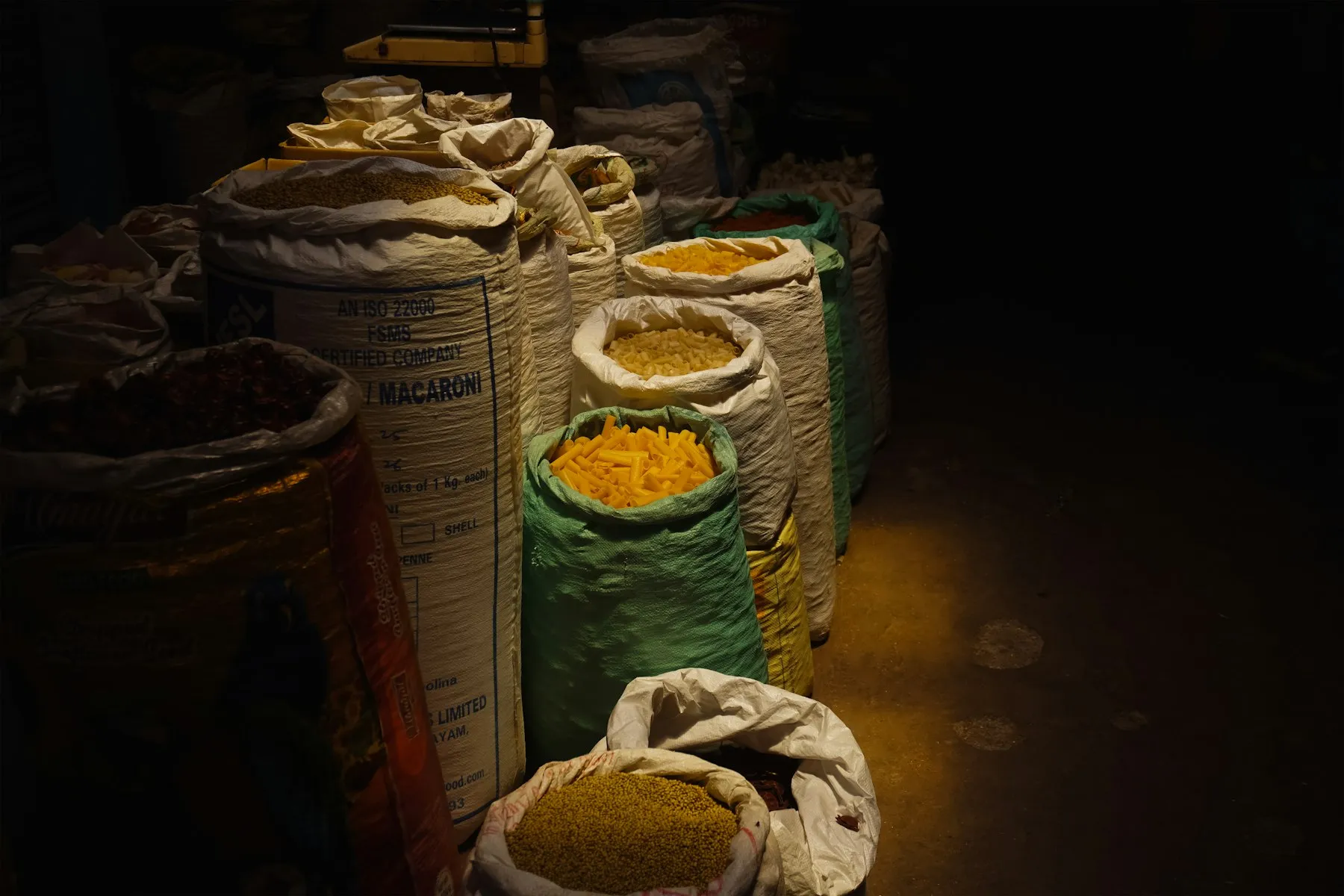
Open sacks of grain and ground spice in a dim storeroom, lit by a single warm lamp

Press

In their words.

  • “The most assured tasting menu in Chennai. Every course arrives as if it had always existed.”

    Meera Iyengar · The Culinary Review
  • “Chef Rao cooks with restraint. The rogan josh alone is worth the journey.”

    Daniel Okafor · Dine Monthly
  • “Saffron House treats regional Indian cooking with the seriousness of a great library.”

    Priya Natarajan · Table & Terroir
  • “A dining room that whispers rather than shouts. We stayed until the last pour.”

    Ananya & Vikram S. · Guests, anniversary dinner